Event archive
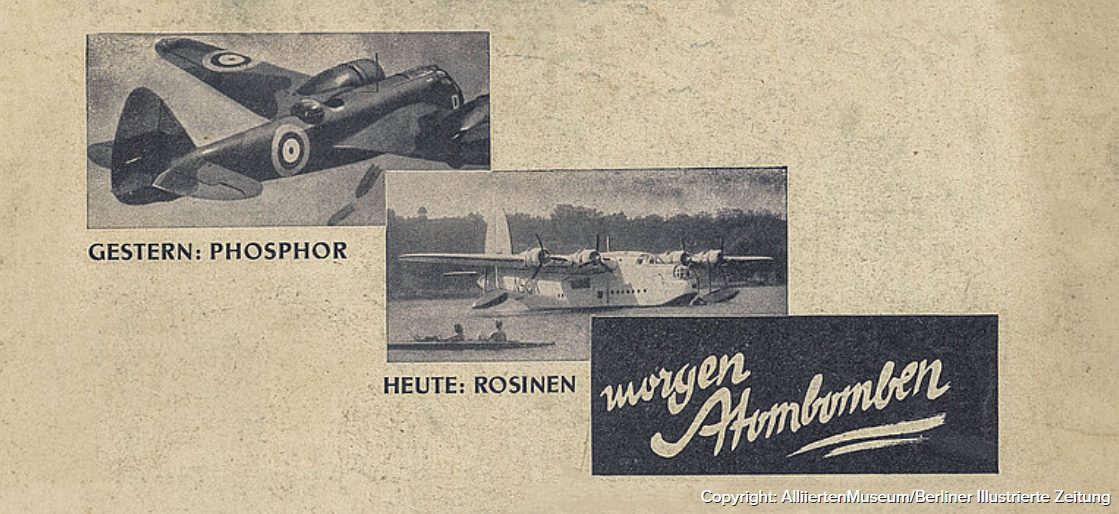
Begleitveranstaltung zur Open-Air-Ausstellung Blockierte Sieger – Geteiltes Berlin. 75 Jahre Luftbrücke.
Vortrag und Diskussion am Flughafen Tempelhof
Den Gegenwartsbezügen der Luftbrücke widmen sich Bernd Stöver (Universität Potsdam) und Jürgen Lillteicher (AlliiertenMuseum) / Begrüßung: Anna Lena Joisten (Tempelhof Projekt GmbH)
More information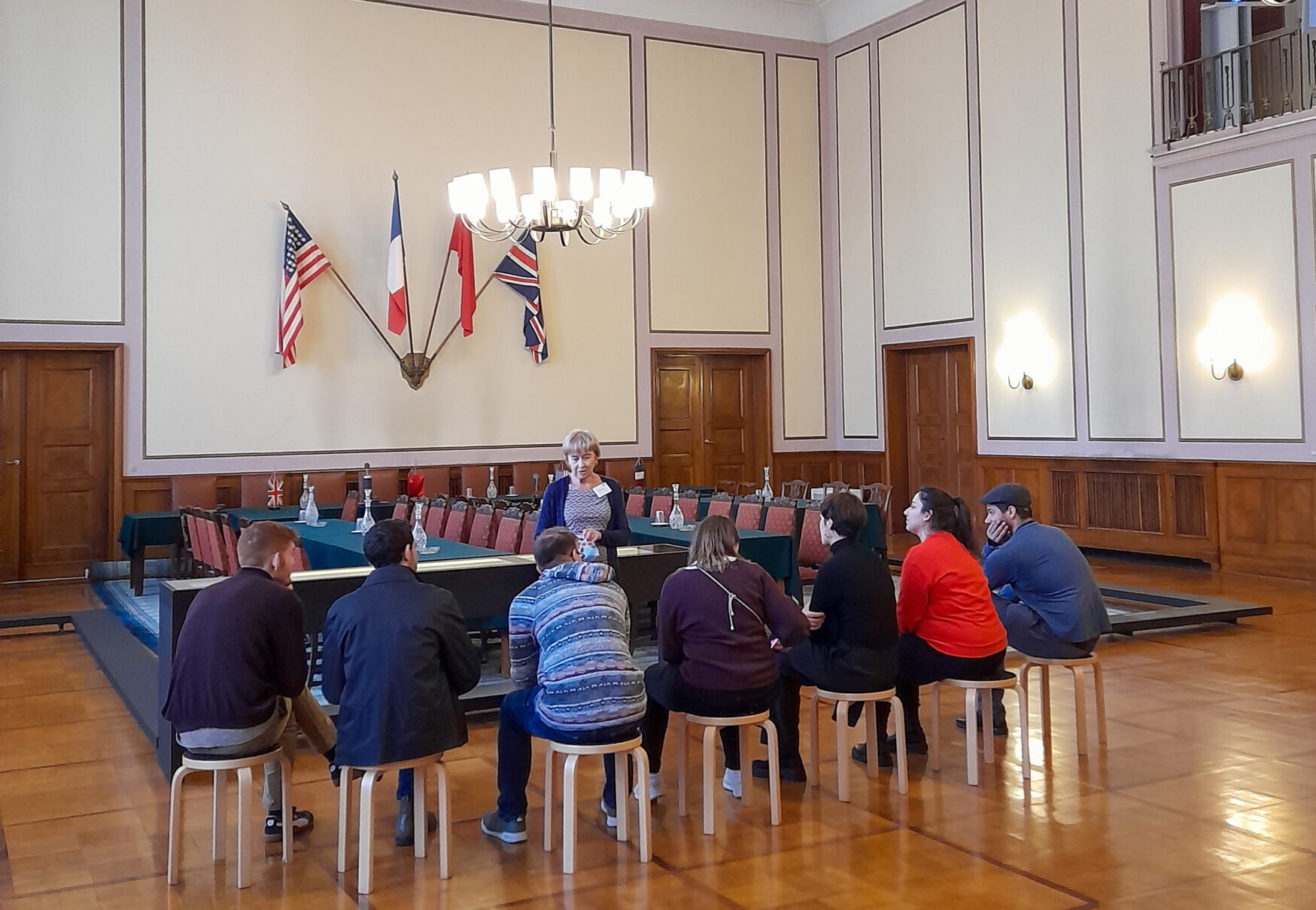
Im Rahmen der Seniorenuniversität des Stadtbezirks Lichtenberg bietet das Museum einen Rundgang an, der besonders die jüdischen Opfer auf dem Gebiet der Sowjetunion in den Blick nimmt.
Die Führung ist kostenfrei.
More information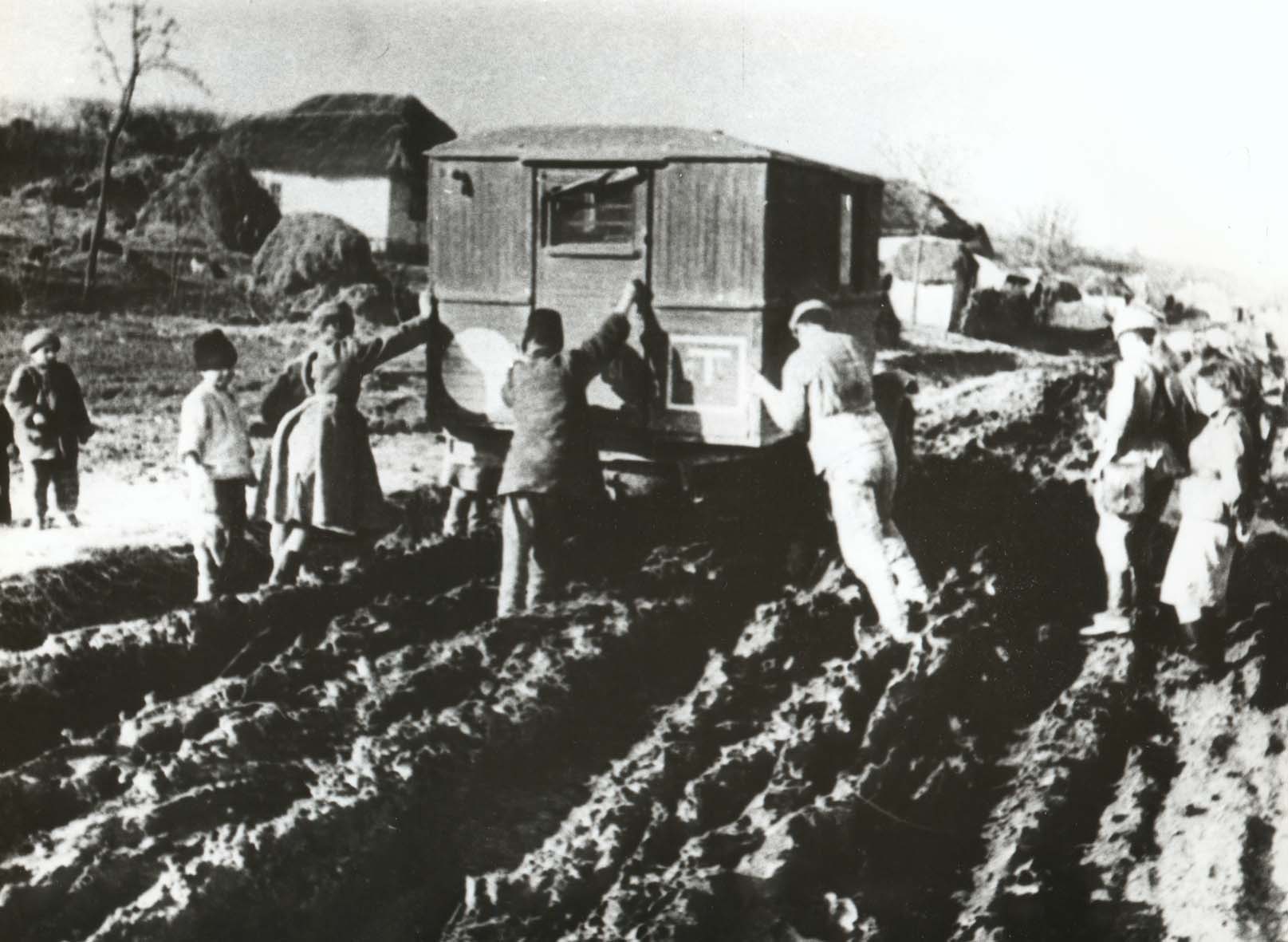
Vortrag und Diskussion
mit PD Dr. Kai Struve (Universität Halle-Wittenberg) und Liana Blikharska (Gedenkmuseum für totalitäre Regime „Territorium des Terrors“, Lwiw)
Für Lwiw und die Westukraine bedeutete der Wechsel von der deutschen zur sowjetischen Herrschaft im Jahr 1944 kein Ende von Krieg und Gewalt. Der Vortrag wird die verschiedenen Gewaltkontexte und ihre Vorgeschichte skizzieren und dabei auch der Frage nachgehen, welche Bedeutung den damit verbundenen historischen Erfahrungen bis in die Gegenwart zukommt.
Der Eintritt ist frei.
More information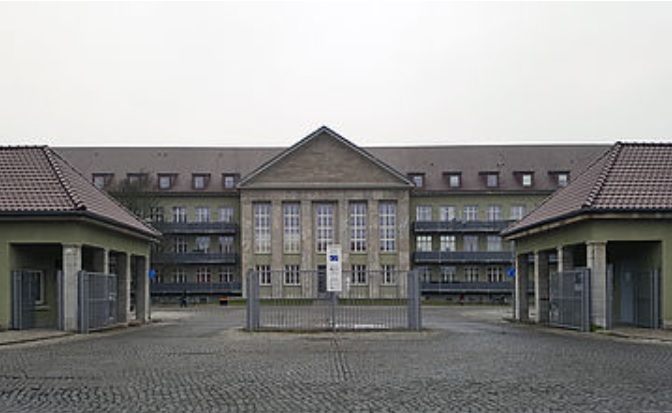
Der Rundgang führt an die ehemaligen Standorte geheimer und militärischer Einrichtungen an Zwieseler Straße, Arberstraße, Bodenmaiser Weg und an der Köpenicker Allee.
More information
Vortrag und Diskussion
mit Dr. Aliaksandr Dalhouski (Geschichtswerkstatt Leonid Levin, Minsk) und Prof. Dr. Christoph Rass (Universität Osnabrück)
Aliaksandr Dalhouski und Christoph Rass forschen seit vielen Jahren gemeinsam zu deutschen Kriegsverbrechen in Belarus und haben gemeinsam mit Studierenden 2006 den Film „Ozarichi 1944“ produziert. In einem Vortrag sprechen die beiden Historiker über die Deportationen, die Bedeutung dieses Kriegsverbrechens für Deutschland und Belarus sowie die Erinnerungskultur in beiden Gesellschaften.
Der Eintritt ist frei.
More information
Begleitveranstaltung zur Open-Air-Ausstellung Blockierte Sieger – Geteiltes Berlin. 75 Jahre Luftbrücke.
Vortrag und Diskussion am Flughafen Tempelhof
Den konkreten Fragen zur Umsetzung der Blockade widmen sich Dr. Gerhard Sälter (Gedenkstätte Berliner Mauer) und Dr. Jörg Morré (Museum Berlin-Karlshorst).
More information
Drei Begleitveranstaltungen beleuchten im ersten Halbjahr 2024 einzelne Themen der Sonderausstellung des DDR-Museums Kleiner Bruder – großer Bruder. Die DDR und die Sowjetunion, die zusammen mit dem Museum Berlin-Karlshorst entstanden ist.
Veranstaltungsort ist der Konferenzraum des DDR-Museums. Der Eintritt ist frei.
In der zweiten Veranstaltung geht es um eine abenteuerliche Reise durch die Sowjetunion. Im Sommer 1989 brachen drei Freunde zu einer Expedition zum Fluss Aldan auf, einem Nebenfluss der Lena. … Es berichtet der Fotojournalist Jan Oelker (Radebeul).
More information
Vortrag und Diskussion
mit Dr. Christoph Dieckmann (Frankfurt/Main, Universität Haifa) und Dr. Gintarė Malinauskaitė (Institut für Geschichte Litauens, Vilnius)
Dr. Christoph Dieckmann wird in einem Impulsvortrag die komplizierte Gemengelage in Litauen im Laufe des Jahres 1944 skizzieren, vor und nach dem deutschen Rückzug. In dem anschließenden Gespräch mit Dr. Gintarė Malinauskaitė, moderiert von Dr. Babette Quinkert, werden die bis heute relevanten Fragen der Geschichte und Erinnerung diskutiert.
Der Eintritt ist frei.
More information
Vortrag und Diskussion
mit Prof. Dr. Jörg Ganzenmüller (Universität Jena) und Dr. Andrea Zemskov-Züge (OWEN Berlin e.V.)
Aus Anlass des 80. Jahrestags des Endes der Leningrader Blockade soll eine Bilanz der historischen Aufarbeitung des Ereignisses gezogen werden. Und die Veranstaltung möchte einen Bogen schlagen von der Erinnerung an das Ereignis in der Zeit der Sowjetunion bis zur Beschäftigung mit der Leningrader Blockade im gegenwärtigen Russland.
Der Eintritt ist frei.
More information
Drei Begleitveranstaltungen beleuchten im ersten Halbjahr 2024 einzelne Themen der Sonderausstellung des DDR-Museums Kleiner Bruder – großer Bruder. Die DDR und die Sowjetunion, die zusammen mit dem Museum Berlin-Karlshorst entstanden ist.
Veranstaltungsort ist der Konferenzraum des DDR-Museums. Der Eintritt ist frei.
In der ersten Veranstaltung geht es um die Drushba-Trasse als größte Baustelle der DDR. Es wird die Trassen-Bilderwelt von Thomas Billhardt geizeigt und anhand eines Vortrags von Michael Biedowicz und einer Diskussion mit beiden eingehender betrachtet.
More information